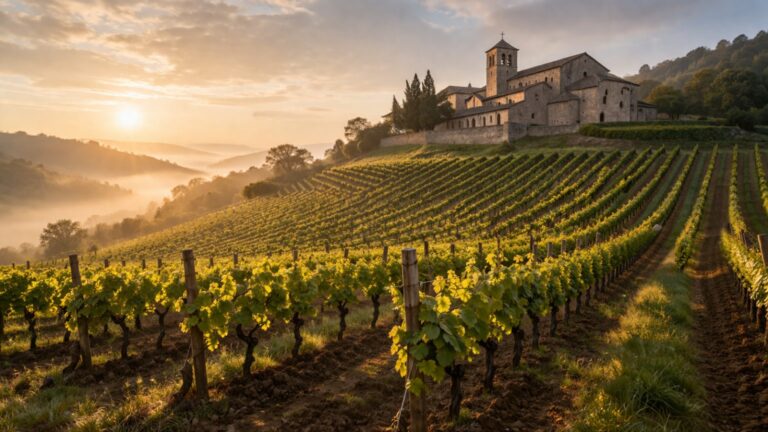
II — The European Legacy and the Old World

The Middle Ages were a time of silence and reconstruction.

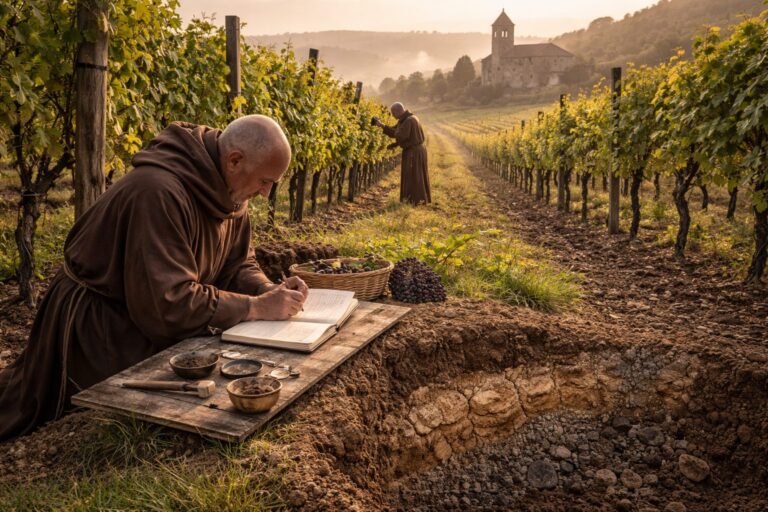
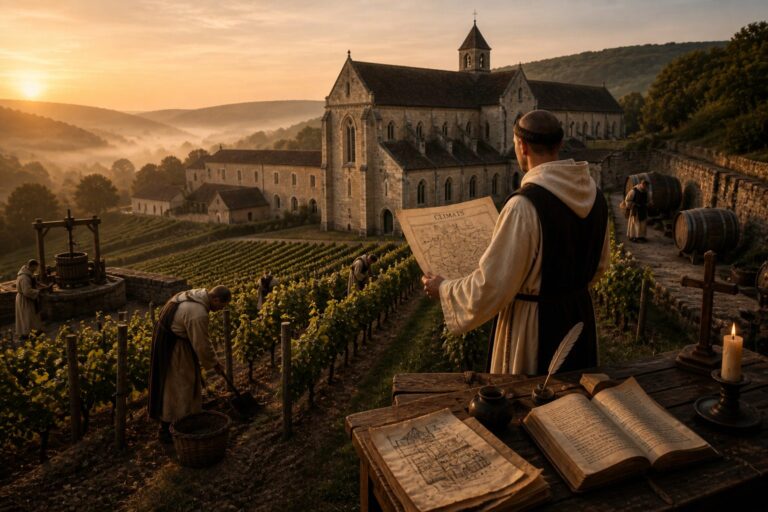
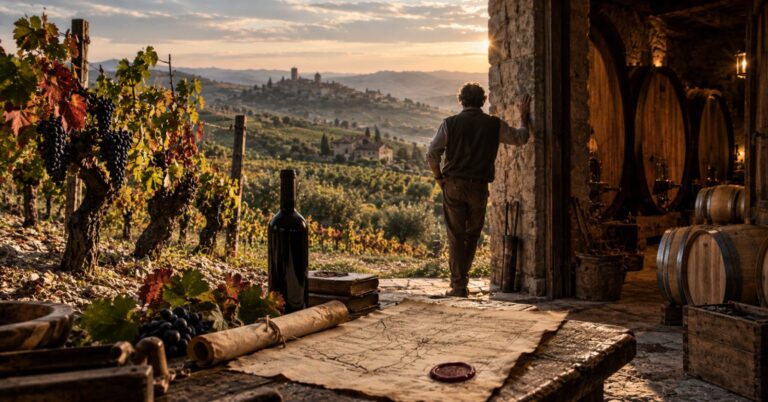
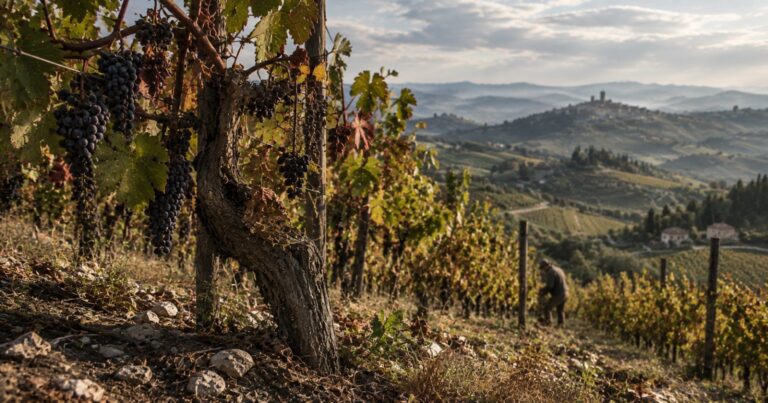
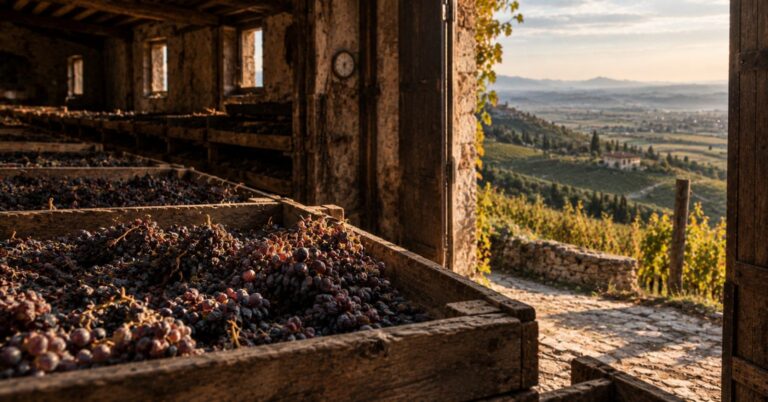
The vineyards survived the fall of Rome and re-emerged in the hands of monks, who saw in wine not only a craft, but also an act of faith.

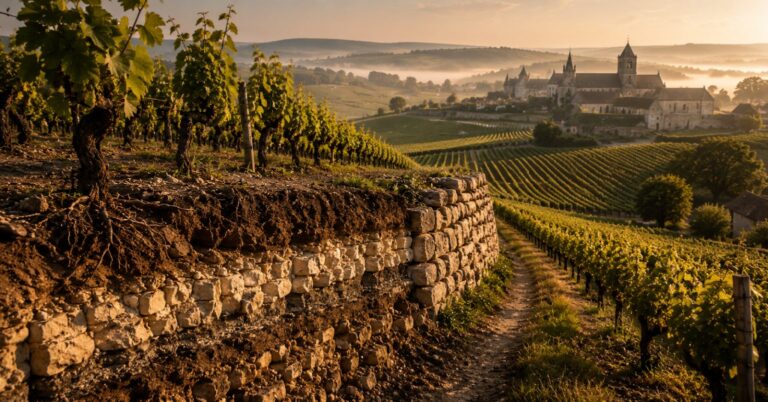
Europe was being reborn, and with it came a new way of thinking about territory. Wine ceased to be merely a product and became geography, law, and identity.

In this part of Stories of Wine, we journey through the heart of the Old World — the place where wine became organized, gained a voice, status, and boundaries.

It is here that history becomes system. And it is here that, as a winemaker, I feel the weight and the beauty of that legacy.

Block I — The Middle Ages and the Monks (chapters 21–28)

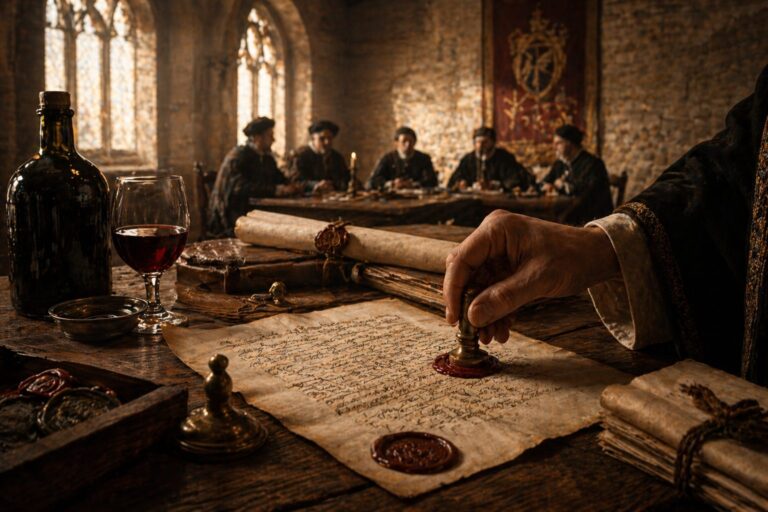
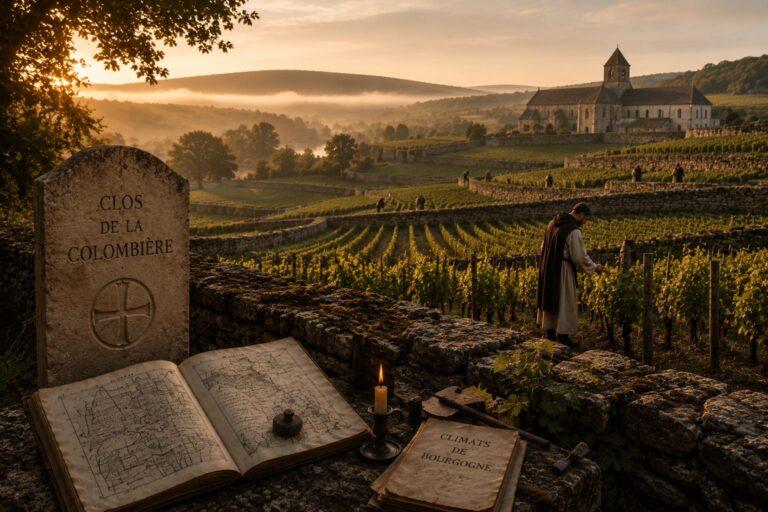
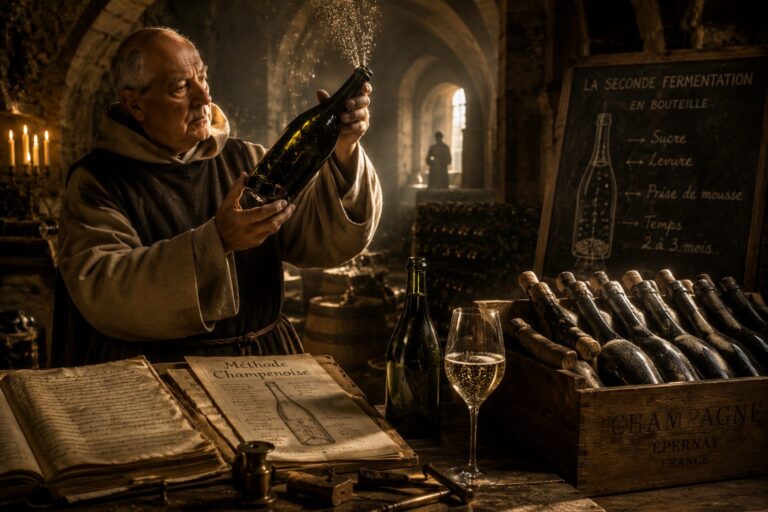
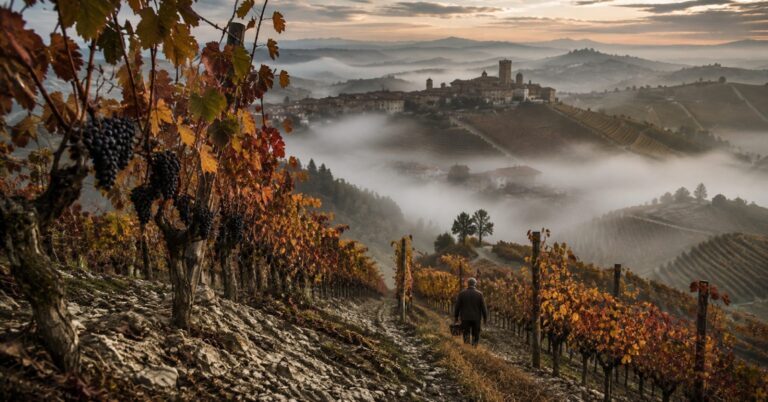
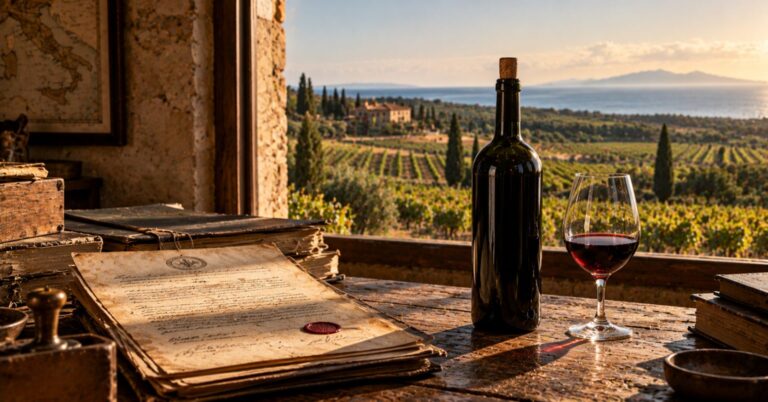
After the collapse of Rome, Europe fell silent. Roads were no longer travelled, trade weakened, and the vineyards the Romans had planted across the continent were slowly abandoned. But not all of them. In the monasteries, between prayer and work on the land, wine survived — and with it, the knowledge that would allow Europe to rebuild itself.

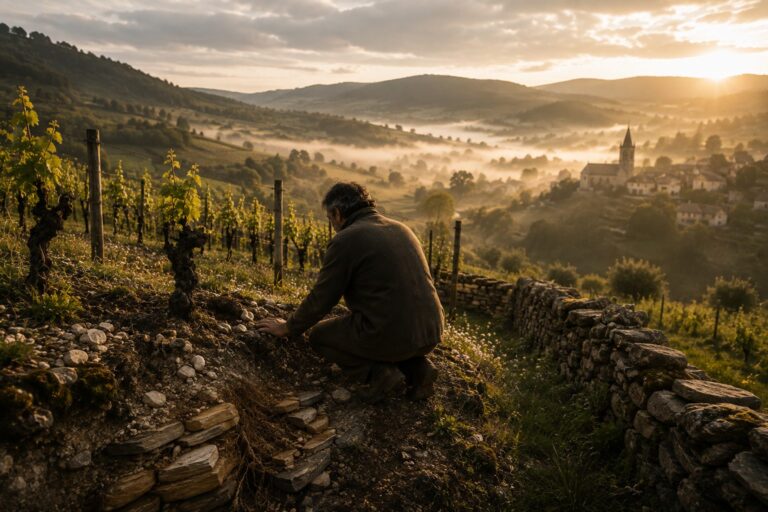
The monks were not merely producers. They were observers. They recorded, compared, adjusted. And it was in that patient work, repeated generation after generation, that the embryo of everything we now understand as terroir was born.

This block is a tribute to that long, silent time — when faith and method, improbably, became one and the same.

Block II — France: The Model and the Power (chapters 29–42)

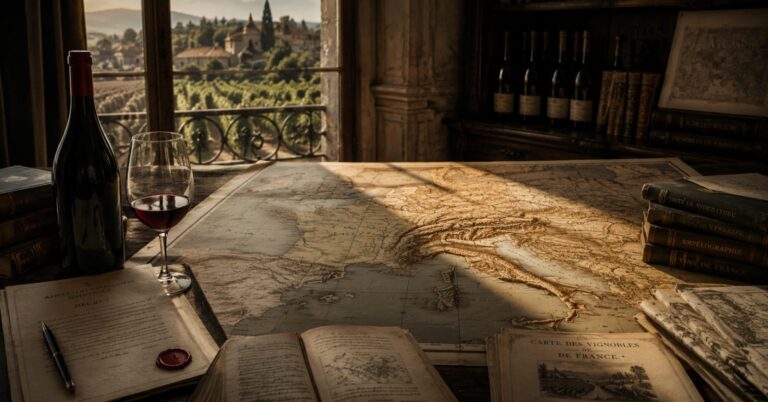
No country has influenced the way we think about wine more profoundly than France.

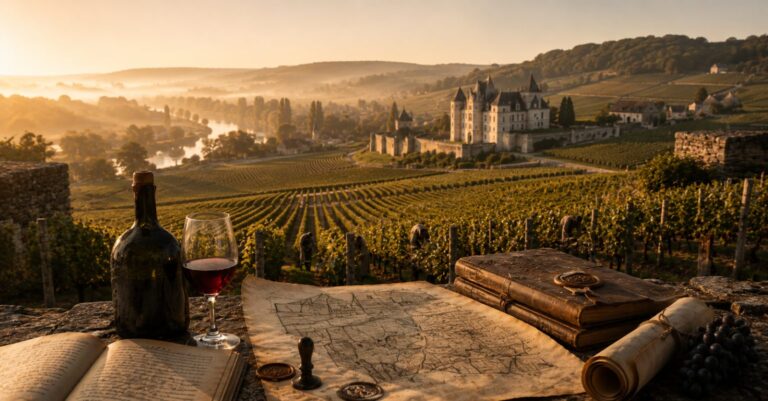
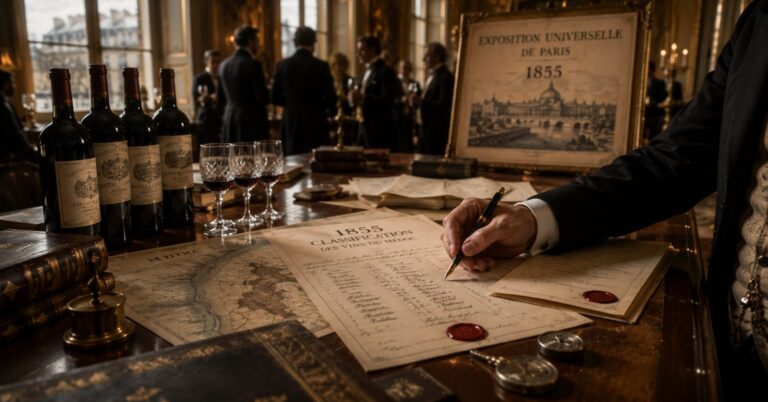
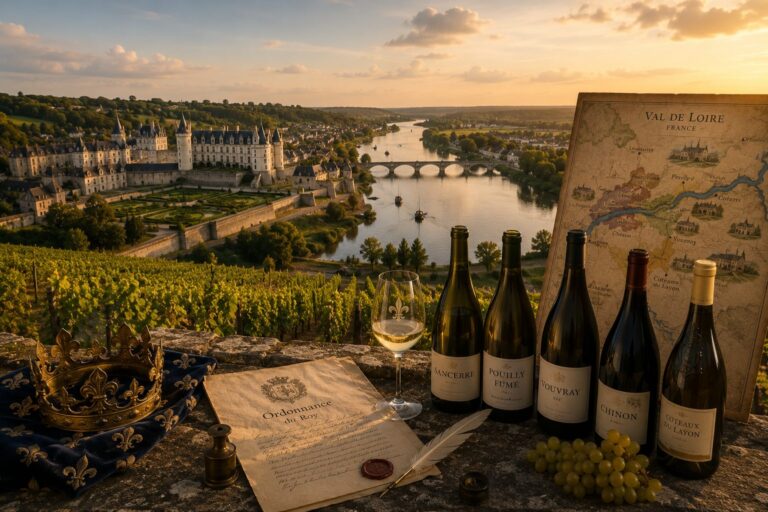
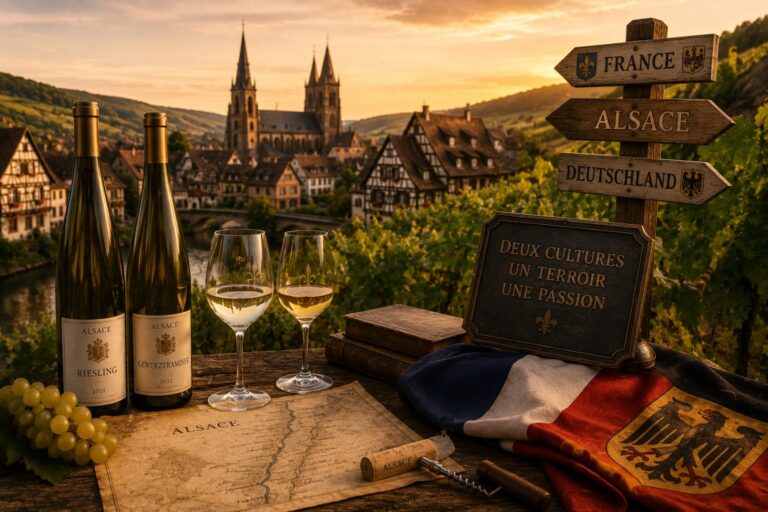
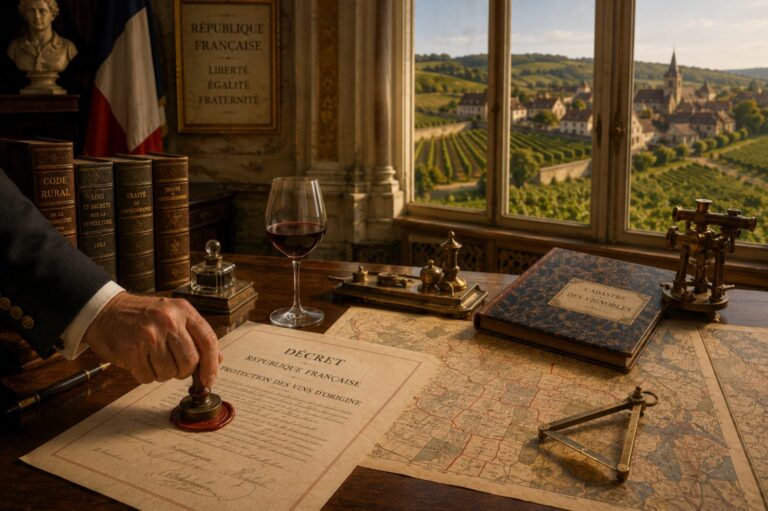
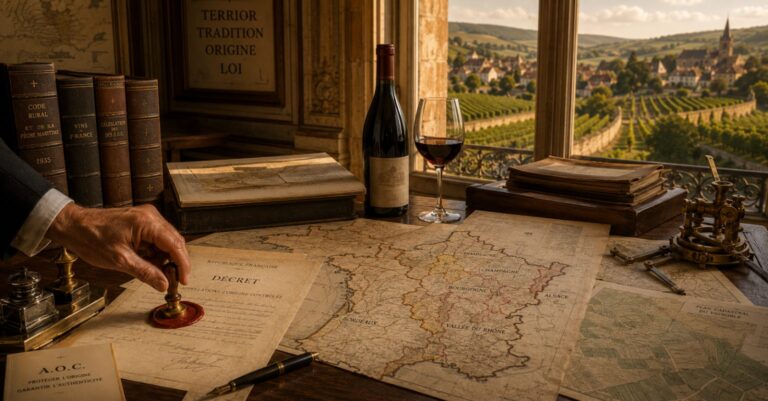
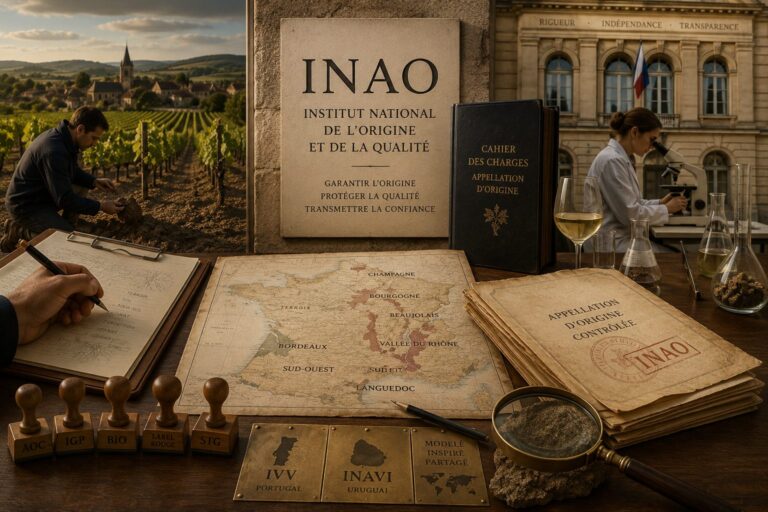
Between kings, monks, merchants, and philosophers, wine became there a language of identity and class. It was in France that terroir became law, prestige gained rules, and pleasure was transformed into a system.

In this block, we explore the birth of French wine culture — a story where politics, religion, and geography intersect to create the model the entire world would seek to imitate.

═════════════════════════════════════════════

Block III — Italy: Diversity as Identity (chapters 43–52)

Italy does not have one model. It has many.

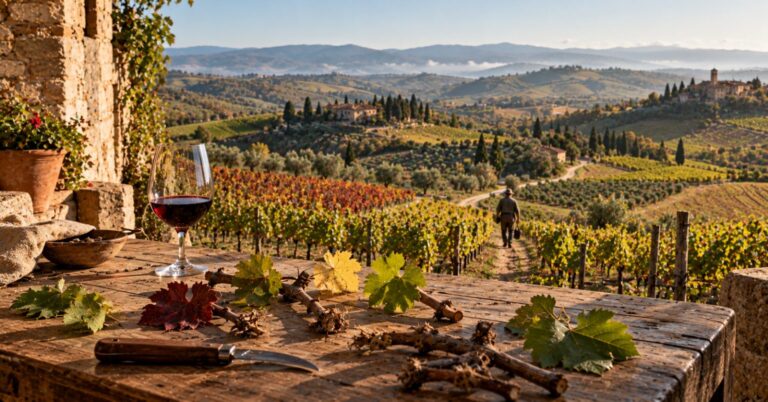
While France built a system, Italy built a world — plural, contradictory, impossible to reduce to a single idea. With more than 350 indigenous grape varieties, twenty distinct wine regions and a history that predates Rome, Italian wine is the fullest expression of diversity as a value.

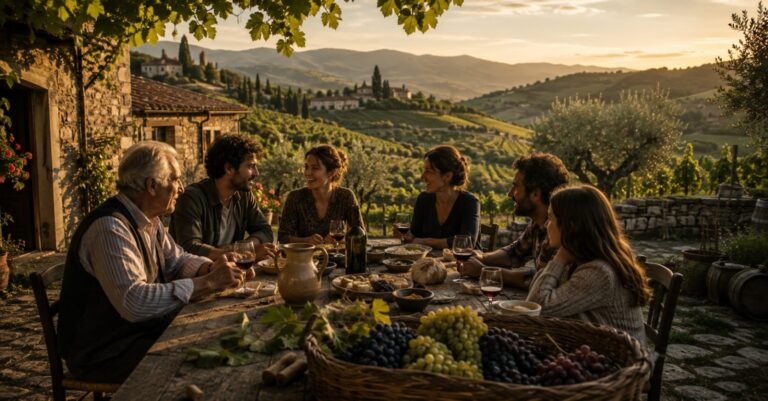
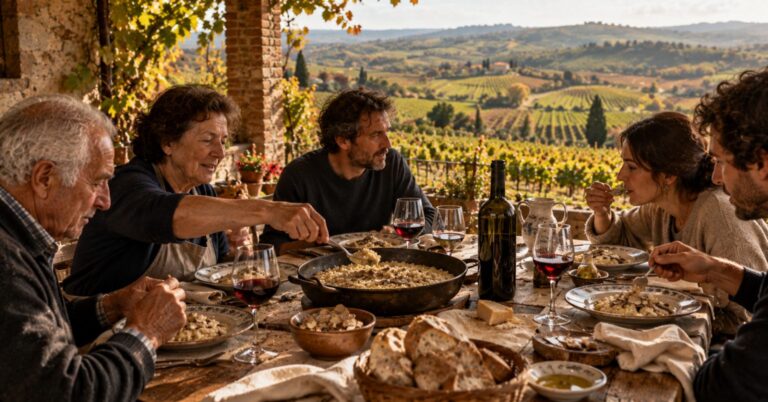
Here, wine has never been separated from the table, the family or the land. It is as much a part of everyday life as it is of great occasions. And perhaps it is precisely this naturalness — this refusal to exist solely as an expression of prestige — that makes Italy so difficult to imitate and so easy to love.

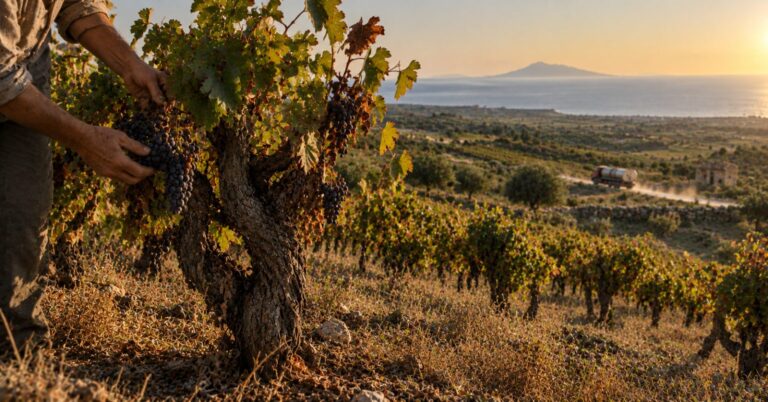
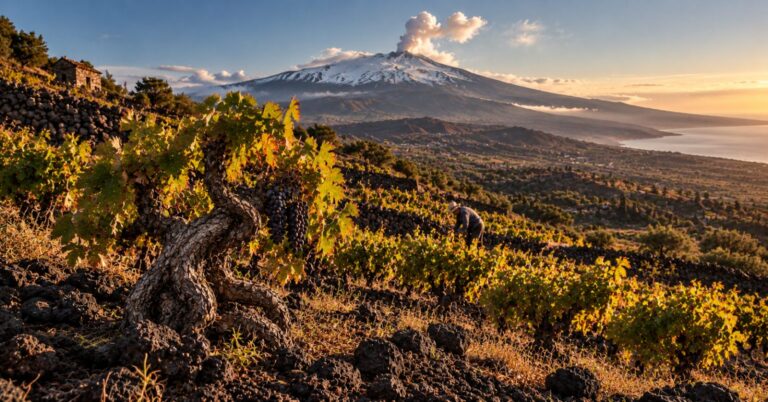
In this block, I travel through the country from north to south: from the Alps to Sicily, from Nebbiolo to Nero d’Avola. Not as a wine tourist, but as a winemaker who sees in Italy a constant reflection of everything terroir can be when it does not fear complexity.

Block IV — Spain: The Vineyard as Territory (from chapter 53)

Spain is the country with more vineyard planted than any other in the world.

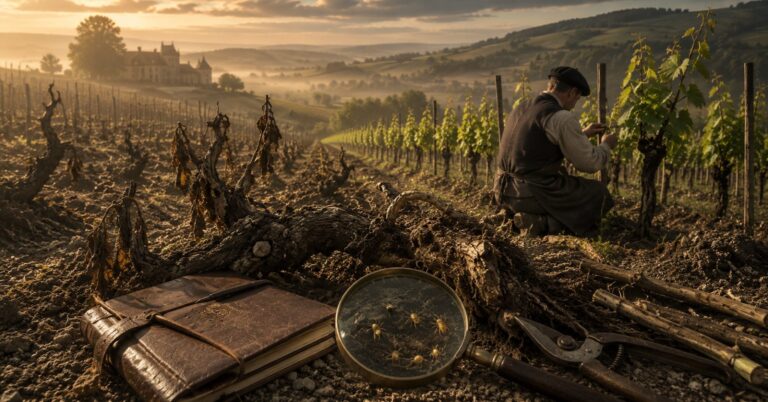
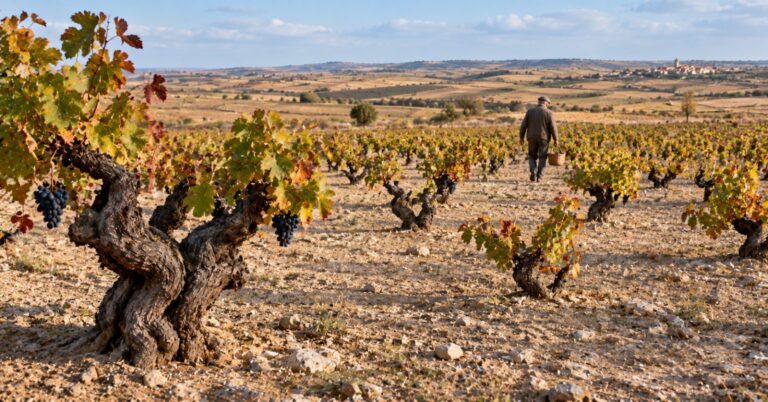
This fact surprises anyone who equates leadership with volume produced — because Spain does not lead in production, but in area. Its vines are older, more widely spaced, more resilient. These are vines that survived phylloxera ungrafted, abandonment, drought and time itself. And it is precisely from that resilience that their character comes.

Spanish wine was, for a long time, underestimated beyond its own borders. Rioja was known, but the rest remained anonymous. That invisibility was also a form of preservation — native grape varieties survived because there was no commercial pressure to replace them.

Today, Spain is one of the most dynamic references in world wine. Not because it copied France or Italy, but because it rediscovered what it had always had: altitude, ancestral soils, unique grape varieties and a wine culture rooted in everyday life.

In this block, I travel through Spain from north to south and east to west — from the elegance of Rioja to the minerality of Galicia, from the power of Priorat to the delicacy of Ribera del Duero. A country still discovering itself, where every discovery is a surprise.